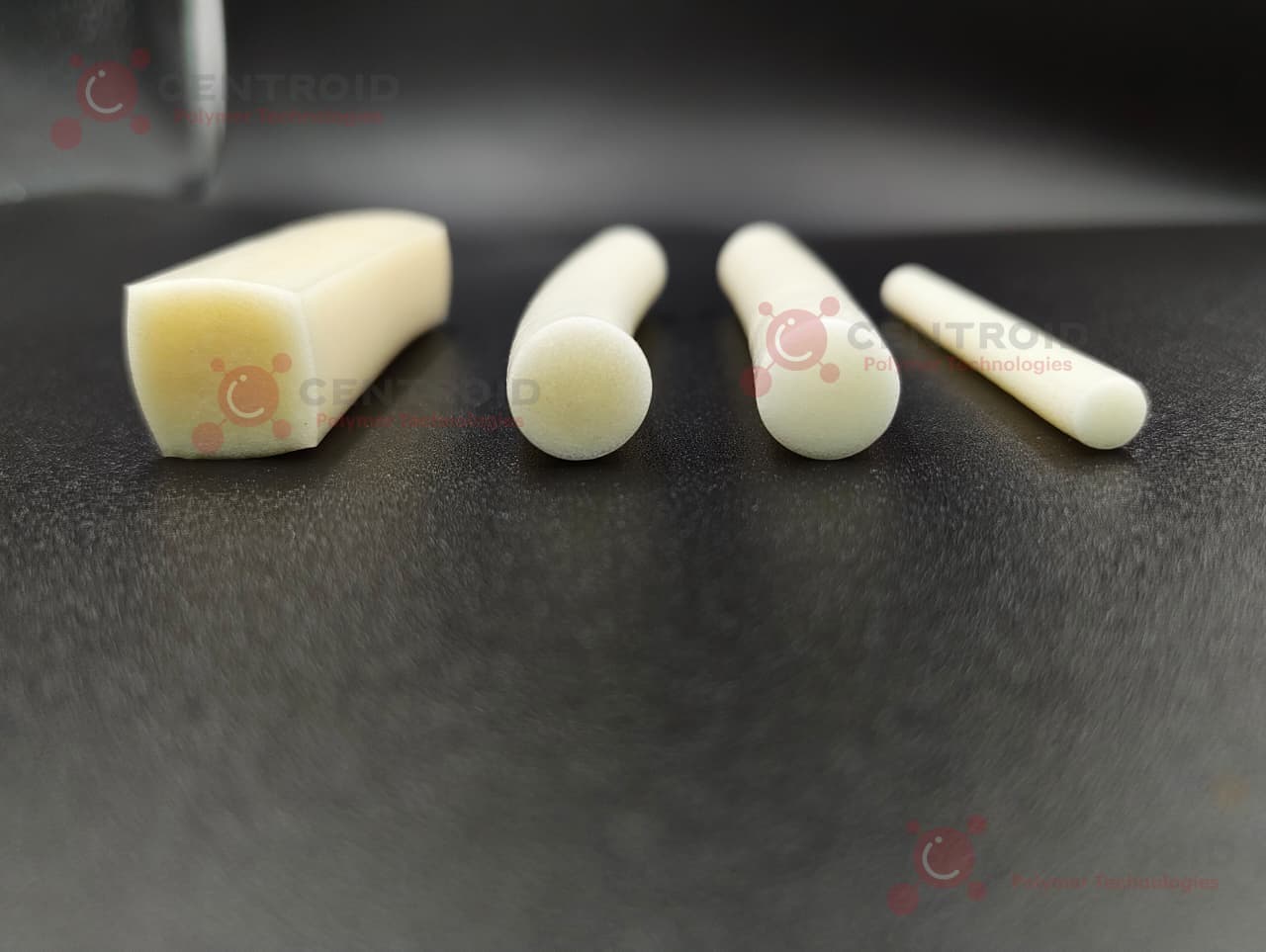
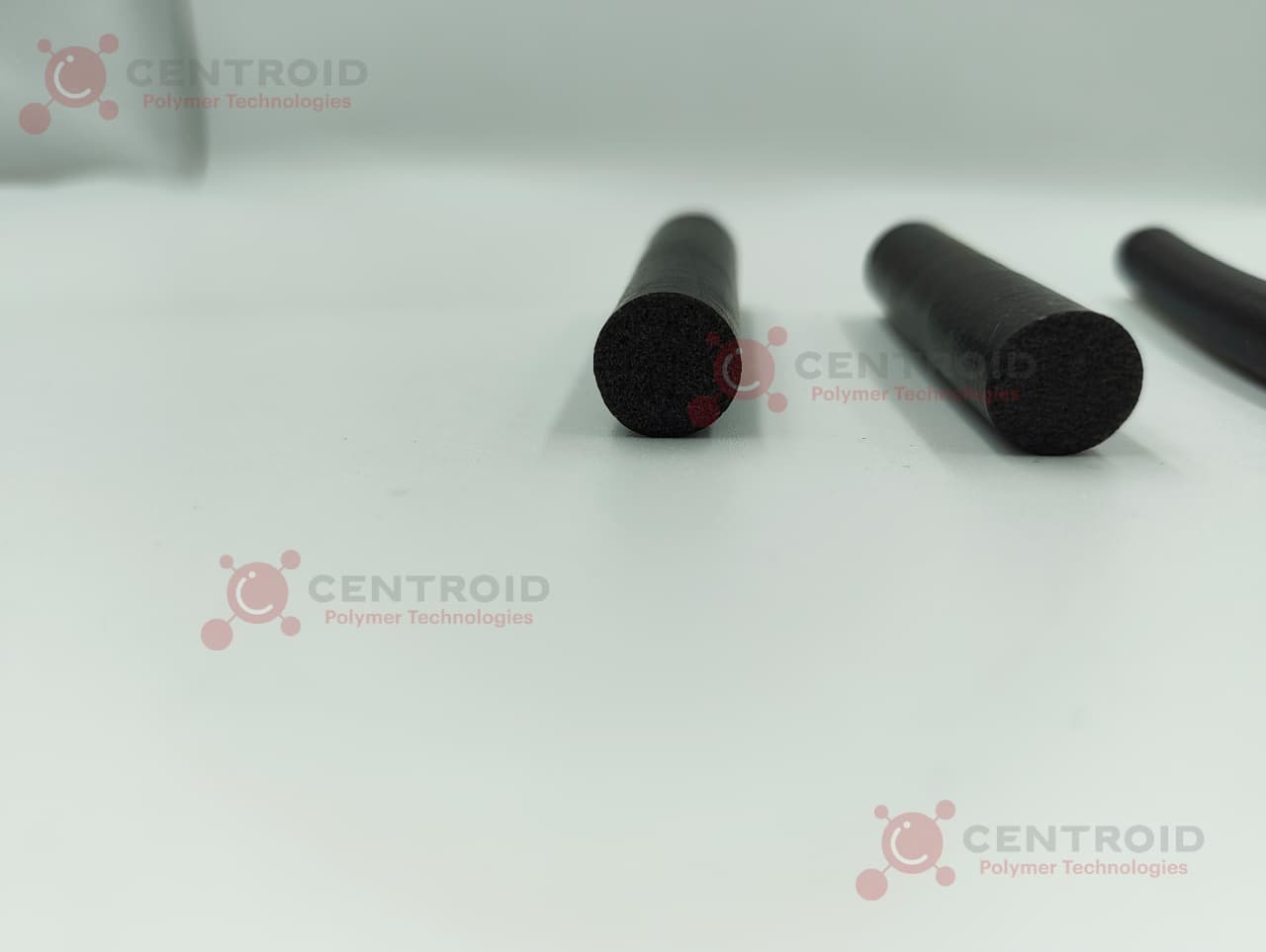
Silicone Sponge Cords and Tubing

Gallery focus image
Get Quotes
Catalog

Features

  • High temperature resistance operates effectively between -60°C to +230°C
    High temperature resistance operates effectively between -60°C to +230°C
  • Resistant to aging, UV radiation, and ozone exposure
  • Maintains elasticity over a wide temperature range
  • FDA, RoHS, and industry-grade compliance available
  • Available in cords, tubing, sections, and custom extrusions
  • Excellent sealing, cushioning, and insulating properties

Applications

  • Automotive: sealing strips, vibration dampers, and gaskets
    Automotive: sealing strips, vibration dampers, and gaskets
  • Electronics: thermal insulation, shock absorption, and protective covers
    Electronics: thermal insulation, shock absorption, and protective covers
  • Medical: compliant sponge tubing and profiles for devices
    Medical: compliant sponge tubing and profiles for devices
  • Industrial: seals, gaskets, weatherstrips, and energy-efficient insulation
    Industrial: seals, gaskets, weatherstrips, and energy-efficient insulation

Comparison Table

PropertyOpen-Cell Silicone SpongeClosed-Cell Silicone Sponge
StructureInterconnected cells that allow air passageIndependent sealed cells that block air & liquid
Air / Gas FlowAllows airflow → better cushioning & flexibilityRestricts airflow → excellent sealing
Water ResistanceLow – absorbs moistureHigh – resists water & moisture penetration
CompressionSofter, highly compressibleFirmer, maintains shape under pressure
ApplicationsCushioning, padding, vibration absorptionSealing against water, dust, and environmental exposure

Frequently Asked Questions (FAQ's)

1. What is the main difference between solid silicone cords and silicone sponge cords??

+
Centroid Polymer Logo

Centroid polymer technologies

Centroid polymer technologies, Plot No P 32(4,5), KINFRA IITP, Kanjikode Palakkad, 678621, Kerala, India

Location

Loading content...

Our Company

Loading content...

TUV certifiedTUV certifiedTUV certified